Sleeve Strategies: Keys to Success Post-Gastric Sleeve



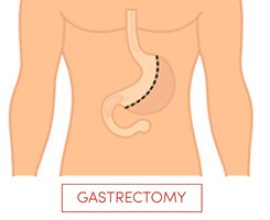
The decision to undergo a sleeve gastrectomy represents a powerful commitment to your long-term vitality. By removing a large portion of your stomach, the procedure jumpstarts significant weight reduction and drastically lowers hunger hormones. While this physical alteration is a highly effective tool, the true foundation of your transformation relies entirely on your daily habits. Transitioning into your new lifestyle takes patience, dedication, and a clear understanding of how your body now functions.
Building resilient routines early in your recovery process protects your physical health and ensures you maintain your results for years to come. Adapting to a smaller stomach capacity involves redefining your relationship with food, prioritizing consistent movement, and nurturing your emotional well-being. By adopting specific, targeted strategies, you empower yourself to achieve lasting wellness and confidence.
Prioritizing Protein for Optimal Healing
Following your gastric sleeve procedure, your stomach holds only a fraction of what it used to. Because space is extremely limited, every single bite you consume needs to provide maximum nutritional value. Filling up on empty carbohydrates or sugary snacks leaves your body depleted of the essential nutrients required for healing and daily energy.
Protein serves as the absolute cornerstone of your post-surgery diet. It facilitates wound healing, preserves your lean muscle mass as you lose weight, and keeps your blood sugar stable. Consuming adequate protein also provides a strong sense of fullness, helping you feel satisfied longer.
Implement these actionable steps to reach your daily protein goals:
- Eat your dense protein first at every meal, before you take a bite of vegetables or carbohydrates.
- Track your daily intake using a food journal or smartphone app to ensure you meet the specific gram targets set by your dietitian.
- Take small, careful bites and chew your food 20 to 30 times until it reaches a smooth, pureed consistency.
- Pace your meals to last approximately 20 to 30 minutes, giving your brain sufficient time to register fullness.
- Incorporate high-quality protein shakes or unflavored protein powders into your routine if you struggle to meet your goals through whole foods alone.
Mastering Daily Hydration Habits
Adequate hydration is just as vital as your nutritional intake, yet it often presents a unique challenge after bariatric surgery. Your newly shaped, narrow stomach makes it impossible to drink large quantities of water quickly. Gulping fluids easily leads to severe discomfort or nausea. To meet your body’s hydration needs, you have to develop a habit of continuous, gentle sipping throughout the day.
Separating your food and liquids is a fundamental rule for gastric sleeve success. Drinking water while you eat flushes food through your stomach too rapidly. This prevents you from feeling full and drastically reduces the amount of nutrients your body absorbs from your meal.
Protect your digestion and hydration with these daily practices:
- Keep a reusable water bottle nearby at all times to encourage constant sipping.
- Stop drinking all fluids at least 30 minutes before you begin a meal.
- Wait a full 30 minutes after finishing your last bite of food before you resume drinking.
- Aim for a minimum of 64 ounces of water or sugar-free, non-carbonated beverages every day.
- Avoid carbonation completely, as trapped gas expands your stomach and causes intense pain.
Building a Consistent Movement Routine
Physical activity acts as a powerful catalyst for ongoing weight loss and long-term weight maintenance. While the surgical tool heavily restricts your caloric intake, regular exercise preserves your metabolic rate and builds physical strength. Movement also offers profound cardiovascular benefits, protects your joint health, and serves as an excellent outlet for stress relief.
You do not need to engage in punishing, high-intensity workouts to see meaningful benefits. Consistency matters far more than intensity, particularly in the early stages of your recovery. Finding physical activities that bring you joy makes it much easier to stick with a routine over the long haul.
Incorporate steady movement into your lifestyle through these strategies:
- Start with short, gentle walks as soon as your surgical team clears you for physical activity.
- Gradually increase the duration and intensity of your exercise as your stamina naturally improves.
- Add strength training exercises two to three times a week to build lean muscle and support bone density.
- Schedule your workouts in your daily planner, treating them with the same importance as a medical appointment.
- Find a workout buddy or join a supportive fitness class to increase your accountability and make movement enjoyable.
Nurturing Your Mental and Emotional Well-being
The physical changes following a gastric sleeve happen rapidly, but your mind frequently requires more time to adjust to your new reality. Many individuals experience unexpected mood fluctuations, body image struggles, or the resurgence of old emotional eating triggers. Addressing the psychological aspects of weight loss is crucial for your long-term success.
Surgery changes your anatomy, but it does not erase the underlying reasons you might have turned to food for comfort in the past. Developing robust, healthy coping mechanisms is essential for navigating life’s inevitable stresses without relying on your pantry.
Build a strong emotional foundation with these supportive actions:
- Work with a licensed therapist or counselor who specializes in bariatric psychology and behavioral changes.
- Practice mindfulness techniques, such as deep breathing or guided meditation, to manage daily anxiety.
- Keep a dedicated journal to track your emotional triggers and document your non-scale victories.
- Allow yourself grace and practice self-compassion on days when you feel overwhelmed or frustrated.
- Celebrate your progress by focusing on your increased mobility and energy, rather than solely obsessing over the scale.
Avoiding the Grazing Trap
As your stomach heals and the swelling goes down, you will likely find that you can tolerate a wider variety of foods. During this phase, it becomes incredibly easy to fall into the habit of grazing. Grazing involves eating small amounts of food continuously throughout the day rather than sitting down for structured, planned meals.
While you might never eat a massive portion at one time, grazing easily adds hundreds or thousands of extra calories to your daily intake. It also keeps your digestive system working constantly, preventing your stomach from resting and resetting its hunger signals.
Protect your progress by establishing firm dietary boundaries:
- Commit to eating three structured meals and one or two planned, protein-dense snacks each day.
- Close your kitchen completely between your scheduled eating times.
- Identify whether you are experiencing true physical hunger or just emotional cravings before reaching for a snack.
- Store highly processed or tempting foods out of sight to reduce impulsive eating.
Committing to Lifelong Supplementation
Even with a perfectly balanced diet, your significantly smaller stomach simply cannot hold enough food to meet all your daily vitamin and mineral requirements. Failing to take your recommended bariatric vitamins leads to severe, sometimes irreversible health complications, including bone loss, anemia, and neurological damage.
Committing to a daily regimen of high-quality bariatric supplements protects your body as it undergoes rapid changes.
Maintain your internal health with these vital steps:
- Take a complete bariatric-specific multivitamin every single day.
- Incorporate calcium citrate supplements into your routine, ensuring you take them at a different time of day than your iron to maximize absorption.
- Set daily alarms on your phone to remind you to take your specific supplements on schedule.
- Attend all scheduled bloodwork appointments with your care team to catch and correct any nutritional deficiencies early.
Taking Charge of Your Ongoing Journey
The gastric sleeve offers an incredible opportunity to reclaim your health, boost your energy, and extend your life. By dedicating yourself to purposeful nutrition, continuous hydration, regular movement, and emotional wellness, you secure the life-changing results of your procedure. Every positive choice you make reinforces your commitment to a vibrant, active future.
Take confident control of your health today. Reach out to your bariatric care team to schedule your next follow-up appointment or connect with a local support group. Trust in your daily routines, celebrate your milestones, and embrace the fulfilling, healthy life you deserve.
Related Posts

5 Risks of Obesity
How Sleeve Gastrectomy Works

The Advantages of Orbera