Why Liquid Calories Can Slow Your Progress


Weight loss surgery changes the physical structure of your digestive system to help control portion sizes. By significantly reducing the size of your stomach, the procedure makes it physically difficult to consume large amounts of solid food. This restrictive tool is highly effective for jumpstarting a healthier lifestyle.
However, this mechanical restriction relies entirely on the texture of what you consume. Solid, dense foods sit in your new stomach pouch, triggering sensors that tell your brain you are full. Liquids behave completely differently. Because they lack physical density, liquids flow right through your stomach pouch and directly into your intestines.
When those liquids contain calories, they easily bypass the built-in portion control of your surgery. Consuming high-calorie beverages is one of the most common reasons patients experience stalled weight loss or weight regain. Recognizing how your body processes liquids empowers you to make strategic choices that protect your progress.
The Mechanics of Your Altered Anatomy
To understand why liquid calories pose such a unique challenge, it helps to visualize how your new stomach operates. Whether you had a gastric sleeve or a gastric bypass, your stomach now functions like a small funnel.
When you eat solid proteins, like a piece of chicken or a scrambled egg, the food acts like a plug at the bottom of the funnel. It stays in the pouch, creating a lasting feeling of physical restriction and fullness. This process takes time, meaning you stay satisfied for hours after a solid meal.
Liquids do not plug the funnel. Instead, they pour straight through the opening. If you drink a 300-calorie beverage, your pouch never feels stretched, and your brain never registers that you consumed a significant amount of energy. You can easily consume hundreds of calories in a matter of minutes without ever feeling satisfied.
The “Slider Food” Phenomenon
In the bariatric community, foods and drinks that easily pass through the stomach pouch without creating restriction are often called “slider foods.” Liquid calories are the ultimate slider foods. They offer no mechanical resistance, meaning your physical surgical tool cannot stop you from overconsuming them.
This creates a frustrating scenario. You might strictly weigh and measure your solid meals, eating perfectly controlled portions of protein and vegetables. Yet, if you sip on a high-calorie coffee drink throughout the morning, you can entirely undo the caloric deficit created by your small meals.
Slider foods also digest incredibly rapidly. This rapid digestion leaves you feeling physically empty, which often prompts you to seek out even more food shortly after drinking a high-calorie beverage.
The Impact on Blood Sugar and Cravings
Beyond bypassing your stomach’s restriction, liquid calories often contain high amounts of sugar or simple carbohydrates. When you consume liquid sugar, it enters your bloodstream almost instantly. This rapid absorption triggers a sudden, massive spike in your blood sugar levels.
Your body responds to this spike by releasing a large surge of insulin to bring your blood sugar back down. This aggressive insulin response frequently leads to a blood sugar crash. When your blood sugar plummets, your brain panics and sends out intense craving signals, usually for more carbohydrates or sweets.
This cycle of spiking and crashing destabilizes your energy levels throughout the day. It transforms a physical habit into a chemical cycle of cravings that becomes incredibly difficult to break. By avoiding liquid calories, you keep your blood sugar stable, which naturally suppresses cravings and keeps your mood balanced.
Identifying Hidden Liquid Calories
Many liquid calories disguise themselves as healthy choices. In the early stages of recovery, you rely heavily on protein shakes, which trains your brain to view liquids as a primary food source. As you transition to solid foods, it is essential to shift your perspective and recognize beverages that secretly pack extra calories.
Pay close attention to these common sources of hidden liquid calories:
- Specialty coffee drinks: Lattes, frappuccinos, and mochas often contain flavored syrups, whole milk, and whipped cream, adding hundreds of calories per cup.
- Fruit juices: Even 100% natural fruit juice lacks the fiber of whole fruit. It delivers a concentrated dose of liquid fructose that spikes blood sugar rapidly.
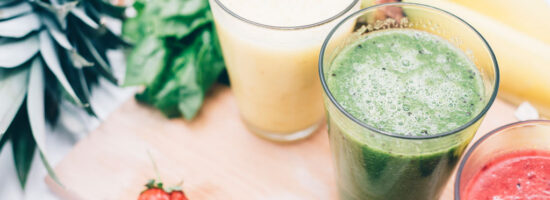
- Smoothies and health tonics: Store-bought smoothies frequently use juice bases or frozen yogurts, making them much higher in calories than a protein shake.
- Sports drinks and vitamin waters: Many popular hydration drinks contain surprising amounts of added cane sugar or high-fructose corn syrup.
- Alcoholic beverages: Alcohol provides empty calories and processes differently after surgery, often leading to rapid intoxication and poor food choices.
Steps to Eliminate Liquid Calories
Breaking the habit of drinking your calories requires a proactive approach. By setting clear boundaries and planning your beverages, you take control of your daily intake and support your long-term goals.
Implement these practical steps to avoid the liquid calorie trap:
- Read every nutrition label: Before drinking any packaged beverage, check the label specifically for calories and total added sugars. Aim for options that contain zero calories and zero sugar.
- Separate drinking from eating: Adhere strictly to the rule of not drinking fluids 30 minutes before, during, or after a meal. This prevents you from flushing solid food out of your pouch and keeps you focused on chewing dense proteins.
- Prepare your own coffee: Brew your coffee or tea at home. Use zero-calorie sweeteners and a small splash of unsweetened almond milk or a measured tablespoon of a protein shake for flavor.
- Track your fluids: Use a digital app or a physical journal to log everything you drink for a week. This exercise brings immediate awareness to mindless sipping and hidden calories.
- Choose whole fruits: If you crave the taste of fruit, eat a small piece of the actual fruit instead of drinking the juice. The natural fiber will fill your pouch and slow down the sugar absorption.
Smart Hydration Choices for Lasting Success
Hydration is a critical component of your daily health after bariatric surgery. You still need to consume adequate fluids to protect your kidneys, aid in digestion, and maintain your energy levels. The goal is to maximize your fluid intake without compromising your caloric deficit.
Building a rotation of enjoyable, zero-calorie beverages makes staying hydrated feel effortless rather than restrictive. Finding alternatives that you genuinely like prevents you from feeling deprived.
Stock your refrigerator with these supportive hydration options:
- Pure, filtered water, which should always serve as your primary source of hydration.
- Water infused with fresh cucumber slices, mint leaves, or a squeeze of fresh lemon for natural flavor.
- Unsweetened iced or hot herbal teas, such as chamomile, peppermint, or green tea.
- Sugar-free, non-carbonated water enhancers or electrolyte powders.
- Decaffeinated black coffee with a calorie-free sweetener.
Navigating Social Situations and Menus
Restaurants and social gatherings present unique challenges when it comes to liquid calories. Menus are filled with sugary cocktails, sweet teas, and massive soda portions. Navigating these environments requires confidence and clear communication.
You are always in control of your order. Asking questions and requesting modifications ensures that your beverage choices align with your health boundaries.
Use these strategies when dining out or attending events:
- Order water with a slice of lemon immediately upon sitting down at a restaurant.
- Ask the server if their iced tea is pre-sweetened before ordering.
- Politely decline alcoholic beverages by holding a glass of sparkling water with a lime twist, which looks festive without the calories.
- Request that any flavor syrups added to coffee or tea be explicitly sugar-free.
Staying on Track with Your Goals
Weight loss surgery provides you with an incredible physical tool for managing portion sizes. Protecting that tool involves making deliberate choices about what you allow into your body. Liquid calories bypass your stomach’s restriction, spike your blood sugar, and stall the metabolic progress you work so hard to achieve every day.
By committing to zero-calorie hydration and reserving your stomach capacity for dense, nutrient-rich solid foods, you maximize the effectiveness of your procedure. Understanding the mechanics of how liquids interact with your altered anatomy allows you to navigate your diet safely. Consistent, mindful beverage choices reinforce your overall health, keeping your energy stable and your progress moving steadily in the right direction.
Related Posts
5 Risks of Obesity
How Sleeve Gastrectomy Works

The Advantages of Orbera