Sleeve Science: The Mechanisms Behind Gastric Sleeve



Gastric sleeve surgery, also known as sleeve gastrectomy, is one of the most commonly performed weight loss procedures today. While many people understand that it reduces the size of the stomach, the full picture is more complex. The procedure works through a combination of physical restriction, hormonal changes, and metabolic shifts that together support meaningful and sustained weight loss.
Understanding how the gastric sleeve works can help patients set realistic expectations and stay engaged in the long-term process.
How the Procedure Changes Stomach Structure
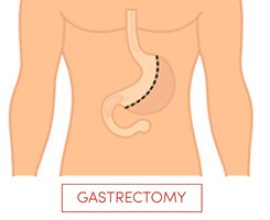
During gastric sleeve surgery, approximately 70 to 80 percent of the stomach is removed. What remains is a narrow, tube-shaped “sleeve” that connects the esophagus to the small intestine.
This structural change limits how much food can be consumed at one time. The smaller stomach fills quickly, which promotes earlier satiety during meals. Unlike some other bariatric procedures, the gastric sleeve does not involve rerouting the intestines. Food follows the same digestive pathway, just in smaller quantities.
Because the procedure is permanent, patients must adapt to long-term changes in portion size and eating behavior.
Restriction Is Only Part of the Story
While reduced stomach capacity plays a major role, it is not the only mechanism behind weight loss. Many patients are surprised to learn that hormonal changes are just as important.
The portion of the stomach that is removed includes cells responsible for producing ghrelin, often referred to as the “hunger hormone.” Ghrelin signals the brain to stimulate appetite, especially between meals.
After surgery, ghrelin levels typically decrease. This can lead to:
- Reduced overall hunger
- Fewer food cravings
- Improved control over portion sizes
This hormonal shift helps patients feel satisfied with less food and reduces the constant drive to eat that many struggled with before surgery.
Effects on Satiety and Fullness Signals
The gastric sleeve enhances the body’s natural fullness signals. As food enters the smaller stomach, pressure builds more quickly, sending signals to the brain that it is time to stop eating.
In addition to mechanical fullness, other hormones involved in satiety, such as peptide YY and GLP-1, may increase after surgery. These hormones contribute to a longer-lasting feeling of fullness after meals.
The combination of reduced hunger and enhanced satiety creates a more balanced and manageable eating experience for many patients.
Metabolic Changes After Surgery
Gastric sleeve surgery can also lead to improvements in metabolic health, sometimes even before significant weight loss occurs. Patients with conditions such as type 2 diabetes often experience better blood sugar control shortly after surgery.
These improvements are linked to changes in gut hormones and insulin sensitivity. The body becomes more efficient at regulating glucose, which can reduce the need for medications in some cases.
Other metabolic benefits may include:
- Improved cholesterol levels
- Lower blood pressure
- Reduced inflammation markers
These changes contribute to overall health improvements beyond weight loss alone.
Gastric Emptying and Digestion
After sleeve gastrectomy, the rate at which food moves through the stomach can change. In many cases, gastric emptying becomes faster, meaning food passes into the small intestine more quickly than before.
This shift can influence how nutrients are absorbed and how the body responds to meals. Faster gastric emptying may enhance the release of certain hormones that regulate blood sugar and satiety.
Despite these changes, nutrient absorption remains largely intact because the intestines are not bypassed. However, patients are still advised to follow nutritional guidelines and take supplements as recommended to prevent deficiencies.
Behavior Still Matters
Although the gastric sleeve creates powerful biological changes, it is not a standalone solution. Long-term success depends on how patients respond to these changes through their daily habits.
Eating too quickly, choosing high-calorie liquid foods, or grazing throughout the day can reduce the effectiveness of the procedure. The sleeve is a tool, but behavior determines how well that tool works over time.
Patients are encouraged to:
- Focus on protein-rich meals
- Eat slowly and stop at early fullness
- Avoid high-calorie liquids that bypass restriction
These habits support both weight loss and overall health.
Why Results Vary Between Patients
Not all patients experience the same outcomes after gastric sleeve surgery. Differences in metabolism, hormone response, lifestyle habits, and follow-up care all play a role.
Some patients may experience stronger appetite suppression, while others rely more on behavioral strategies to maintain results. This variability highlights the importance of personalized care and ongoing support.
Regular follow-up appointments allow providers to monitor progress, address challenges, and adjust recommendations as needed.
The Bigger Picture
Gastric sleeve surgery works through a combination of restriction, hormonal regulation, and metabolic improvement. These mechanisms interact to reduce hunger, enhance fullness, and support long-term weight management.
Patients who understand how the procedure works are often better prepared to adapt to the changes that follow. With the right approach, the gastric sleeve can serve as a foundation for lasting health improvements, not just weight loss.
Related Posts
5 Risks of Obesity
How Sleeve Gastrectomy Works
The Advantages of Orbera