
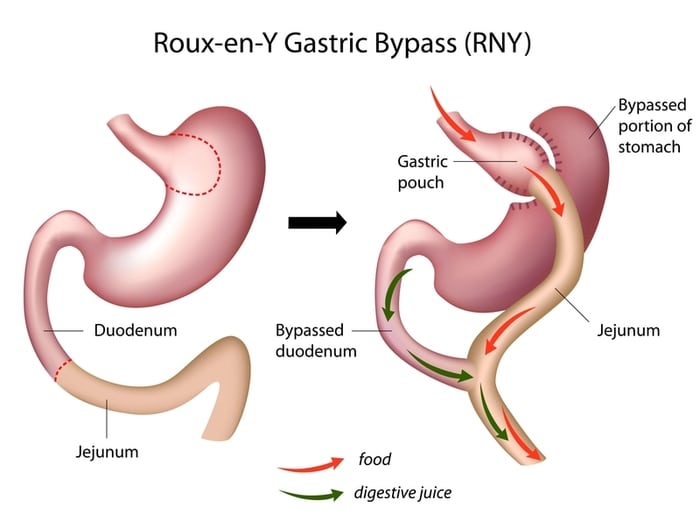
If you haven’t had success with other weight loss methods, you may benefit from a Roux-en-Y surgery. This is a surgical procedure that reduces how much food your stomach can process at once. To learn more about the Roux-en-Y, along with other weight loss surgery options, contact our office today for a consultation.
- This procedure reduces the size of your stomach to the size of an egg
- Roux-en-Y reduces the calories and fat your body can absorb
- Is effective when post-surgery recommendations are followed
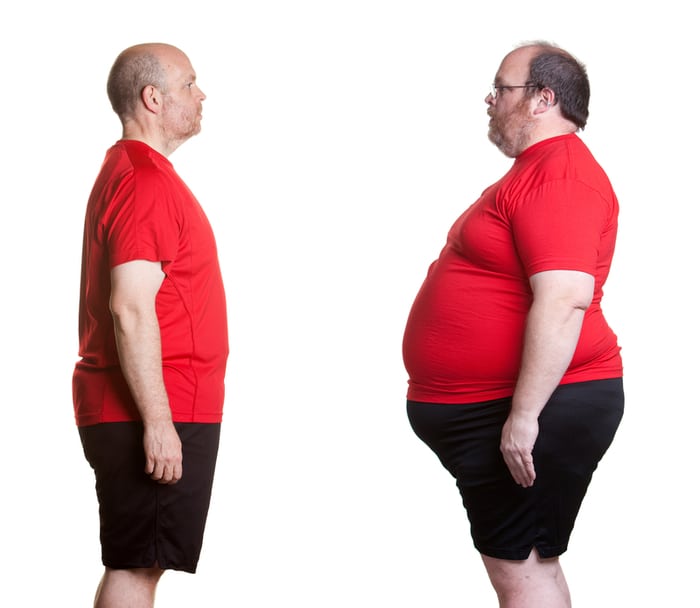 Long-term obesity can significantly lower quality of life, especially with related health conditions. Roux-en-Y surgery becomes a consideration for weight loss if you’ve tried other methods of losing weight without success. Even if you’ve had short-term success with some diets, the resulting weight gain with efforts that have failed can contribute to health issues. The procedure is also worth considering if you’re experiencing:
 If it’s determined that this procedure may benefit you, expect to go through an educational period when you’ll be told how the procedure works and what you will need to do to increase the odds of enjoying long-term success. You will receive a thorough medical examination, which typically includes an assessment of your overall health and a review of your medical history. You may be tested for any nutritional deficiencies prior to the procedure and prescribed supplements to correct such issues prior to surgery.
 You’ll likely experience your most substantial weight loss within the three to four-month period after Roux-en-Y surgery, but this can vary from one patient to the next. The long-term outlook for the surgery depends on your commitment to the procedure. It’s recommended that you focus more on consistency of weight loss rather than simply shedding unwanted pounds.
 You may be an ideal candidate for Roux-en-Y surgery if you’re at least 100 pounds over your normal weight for your height and build. There’s research indicating such procedures tend to benefit individuals with a body mass index ranging from 35 to 35.9 — although it may also help those with a higher BMI — and with related health issues such as high blood pressure and type 2 diabetes. If you have realistic expectations going into procedure and follow dietary recommendations afterwards, you may be among those who benefit from the procedure.