
10 Things You Need to Know Before Undergoing Bariatric Surgery



Bariatric surgery can be a life-changing option for individuals who have struggled with severe obesity and related health problems. It is not a shortcut, but for many, it offers a path to improved health, mobility, and quality of life. Knowing what to expect ahead of time helps you make informed decisions and set realistic goals for recovery and long-term success.
1. It Is a Tool, Not a Cure
Surgery is only one part of the process. Long-term results depend heavily on lifestyle changes. Nutrition, exercise, and mental health all play major roles in maintaining weight loss after the procedure.
2. Not Everyone Qualifies
Most bariatric procedures are recommended for individuals with a body mass index (BMI) of 40 or higher, or 35 with serious obesity-related conditions such as type 2 diabetes or sleep apnea. Medical history and readiness to commit to changes are also factors in determining eligibility.
3. There Are Different Types of Procedures
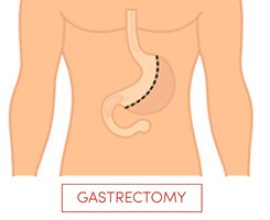
Bariatric surgery is not one-size-fits-all. Common procedures include gastric sleeve, gastric bypass, and adjustable gastric banding. Each works differently in terms of how it affects appetite, digestion, and nutrient absorption. Your surgical team will help determine the best option based on your goals and health status.
4. Pre-Surgery Prep Is Critical
Most patients go through a preparation phase before surgery. This can include:
- Medical evaluations and lab work
- Meeting with a dietitian or nutritionist
- Psychological assessments
- A supervised weight loss program
- Quitting smoking and adjusting medications
Preparation helps reduce surgical risks and starts the process of adapting to lifestyle changes.
5. Recovery Takes Time
Most procedures are performed laparoscopically, which allows for a shorter hospital stay and quicker recovery. However, patients still need to rest and follow specific guidelines for activity, diet, and medication in the weeks following surgery. Full recovery varies from person to person.
6. You Will Need to Change How You Eat
After surgery, your stomach will hold less food. You will need to eat smaller meals more frequently and focus on protein and nutrient-rich foods. Liquids and solids are often introduced in phases, and certain foods may be difficult to tolerate. Learning how to eat mindfully becomes essential.
7. Supplements May Be Lifelong
Depending on the procedure, the body may absorb fewer nutrients from food. To avoid deficiencies, most patients need to take daily supplements, including vitamins B12, D, calcium, and iron. Regular lab tests help monitor levels and adjust as needed.
8. Weight Loss Is Not Instant
Weight comes off gradually, often over 12 to 18 months. The first few months usually bring the most visible changes, but plateaus can happen. Staying consistent with nutrition and activity helps maintain momentum and avoid setbacks.
9. Emotional and Mental Shifts Are Common
Changes in body image, appetite, and lifestyle can bring emotional highs and lows. Some people may struggle with relationships, self-esteem, or eating habits during the transition. Ongoing support from mental health professionals, support groups, or a counselor can make a major difference.
10. Health Benefits Can Be Significant
Many patients see improvements or even remission in serious health conditions such as type 2 diabetes, high blood pressure, and sleep apnea. Increased energy, reduced joint pain, and better mobility are also common. While results vary, most people experience meaningful health gains over time.
Making the choice to have bariatric surgery is a personal and often emotional decision. Understanding the commitment involved, the risks and rewards, and the steps required before and after surgery helps you take control with confidence. With the right preparation and mindset, this can be the start of a healthier, more active life.
Related Posts

5 Risks of Obesity
How Sleeve Gastrectomy Works

The Advantages of Orbera