
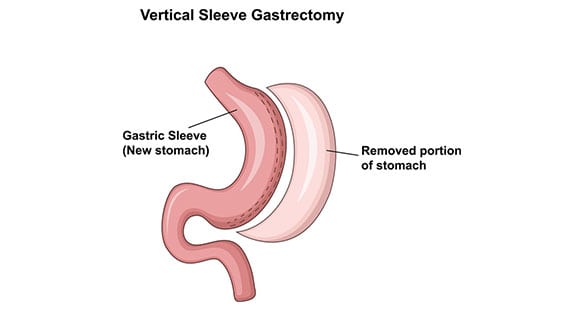
Commonly referred to the gastric sleeve procedure, the vertical sleeve gastrectomy is one of the most common weight loss surgeries. The primary purpose of this type of weight loss surgery is to create a smaller stomach so that patients will feel full after eating small meals. It may be recommended for:
- Obese patients who are unable to lose weight with traditional methods
- Patients with a body mass index of 35 or more and a serious medical condition
 One of the primary benefits of vertical sleeve gastrectomy is that the procedure might be able to improve many medical conditions including high blood pressure, obstructive sleep apnea, asthma, arthritis,
  Before undergoing the vertical sleeve gastrectomy, a doctor may recommend a comprehensive physical exam, counseling, blood tests, regular doctor appointments, and pre-surgery classes, A doctor may also advise patients to stop smoking at least several weeks before the operation to reduce the risk of problems and promote optimal recovery. Patients should inform the provider if they are planning to get pregnant as well as their current over-the-counter medications such as vitamins, herbs, and other supplements.
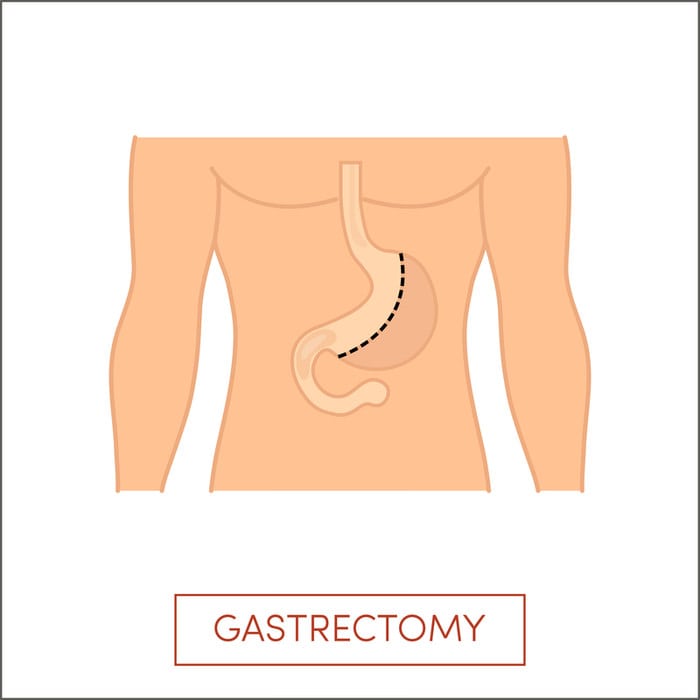
 One of the first steps in the vertical sleeve gastrectomy procedure is when the medical team administers the general anesthesia before surgery. General anesthesia is a form of medicine that ensures that patients stay asleep and unaware throughout the operation. Afterwards, the surgeon creates two to five small cuts in the belly to remove 85 percent of the area, which is most of the stomach. The remaining sections of the stomach are joined together with the use of surgical staples. The final result is a long vertical tube that resembles a banana-shaped stomach.
 Most patients will be able to return home two days after the vertical sleeve gastrectomy operation. While the patient should be able to consume clear liquids on the day after surgery, the doctor will probably recommend a pureed diet by the time they leave the hospital. As the patient consumes solid food, the small pouch will begin to fill quickly. As a result, most patients will feel full after consuming small meals. In order to avoid stretching the remaining stomach, the medical team such as the nurse, dietitian, and surgeon can recommend the perfect diet for a person’s unique preferences. The doctor can also send the patient home with pain medication to avoid any discomfort after the operation.